Dec. 17, 2025
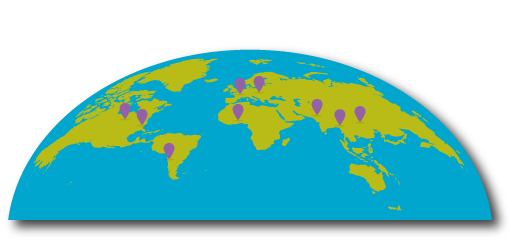
Wilfrid Laurier University researchers tackle complex global challenges. Their work takes them around the world, from refugee camps in Bangladesh to African border towns to music halls in China. Laurier faculty members are eager to hit the road and create real impact through art and research.
Below, a selection of Laurier scholars reflect on the travel experiences that shaped their work during the past year.
Bree Akesson
Canada Research Chair in Global Adversity and Well-Being
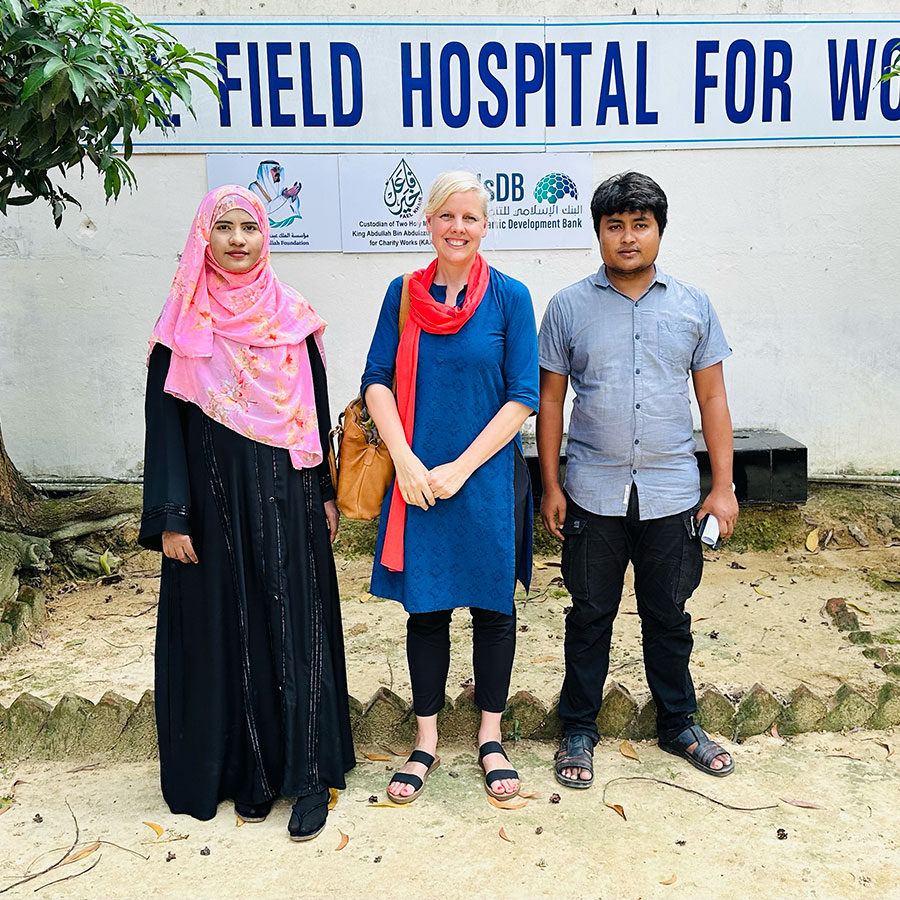
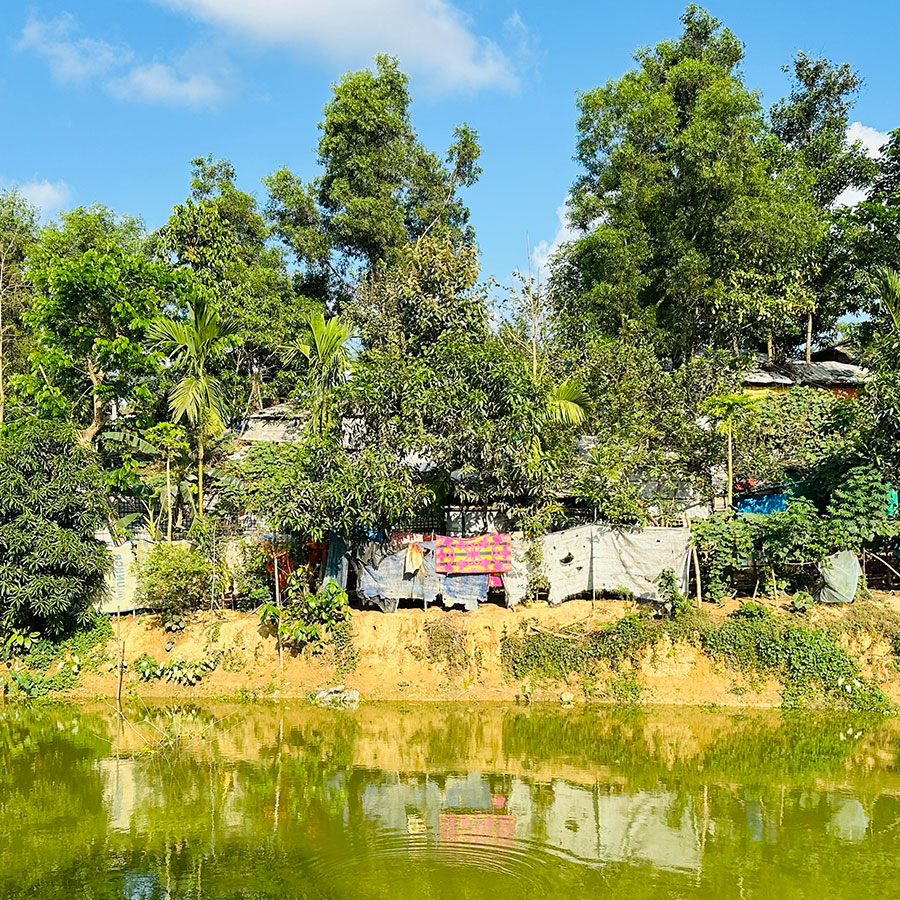
Twice in 2025, Bree Akesson traveled to Bangladesh to visit Cox’s Bazar, site of the world’s largest and most densely populated refugee camp. More than one million Rohingya refugees live in Bangladesh after fleeing genocide in Myanmar.
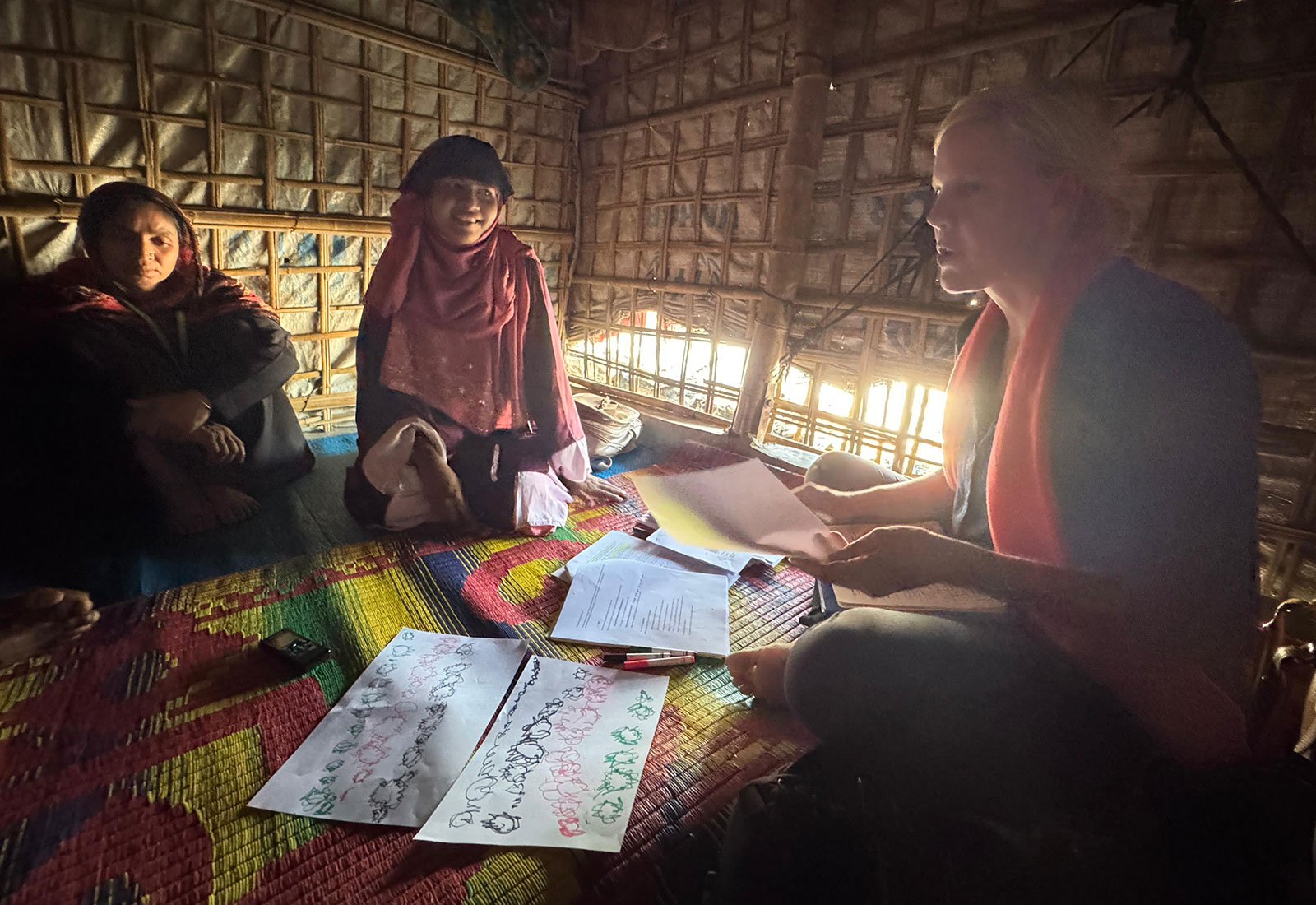
Akesson’s research team is interviewing families over the course of their baby’s first year of life to learn about their access to health care and social services, changing family structures, and how they cope with poverty and violence. The team is also speaking to community members about environmental disasters that threaten their mental health and well-being, including fires, landslides and heatwaves.
“We hear heartbreaking accounts as well as moments of hope and extraordinary perseverance,” says Akesson. “Because we have been visiting many of these families for several years, our relationships have deepened, making each visit more genuine and more impactful.”
Akesson is collaborating with Ashley Stewart-Tufescu from the University of Manitoba and five Rohingya research assistants who act as cultural liaisons, translators and transcribers, and help build trust with participants. They are working on a third research project evaluating a training program administered by the Hope Foundation for Women and Children of Bangladesh.
“This unique program trains young Rohingya women to be health assistants to Bangladeshi midwives in refugee camps,” says Akesson. “It is a beacon of hope since Rohingya people are not legally allowed to work in Bangladesh and there are no formal educational opportunities for them beyond Grade 3. We are evaluating whether it is effective and can be scaled up.”
These are the type of gaps and needs Akesson hopes to identify through her research, amplifying refugee voices and sharing evidence-based recommendations with policymakers and humanitarian organizations to make life better for Rohingya families.
“These parents are raising their children in extraordinary conditions, yet showing remarkable love, creativity and resilience,” says Akesson. “I’ve learned that most parents want the same things for their children: safety, education and opportunity.”
Matthew Emery
Assistant Professor, Composition
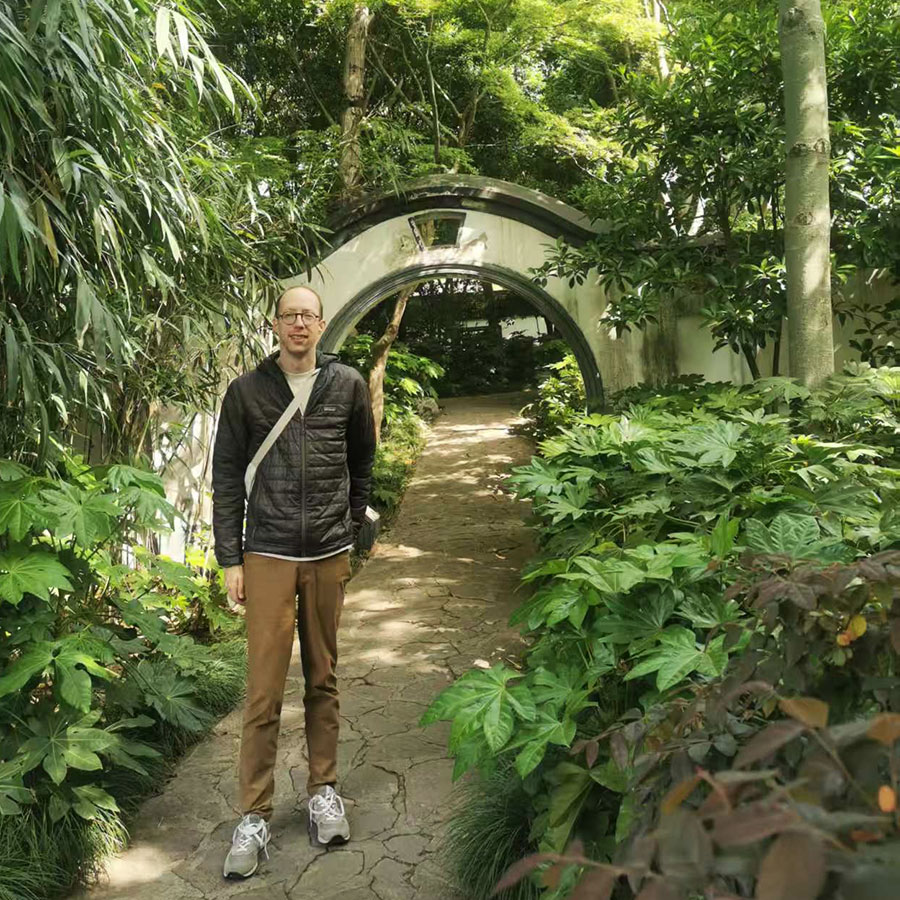
While visiting Shanghai in April 2025 to guest lecture at Shanghai Normal University, Matthew Emery was struck by the Shanghai Tower, one of the tallest buildings in the world – so much so that he came home and wrote a song about it for the Laurier Chamber Strings Ensemble.
“Much of my creative scholarship focuses on music inspired by space and place: how we as artists are shaped by our environment,” says Emery. “‘Where the Light Lingers Longest’ is both a musical translation of my experience visiting the Shanghai Tower and a musical representation of the tower’s construction. It was my attempt to capture its massive physical presence and illuminate it through our wonderful student ensemble.”
Emery hopes that his music “makes people feel something or provokes deeper thinking.”
“It asks us to look at the immediate world around us, take notice and find what’s remarkable in the sometimes unremarkable,” he says.
Erin Dej
Associate Professor, Criminology
Carrie Sanders
Professor, Criminology
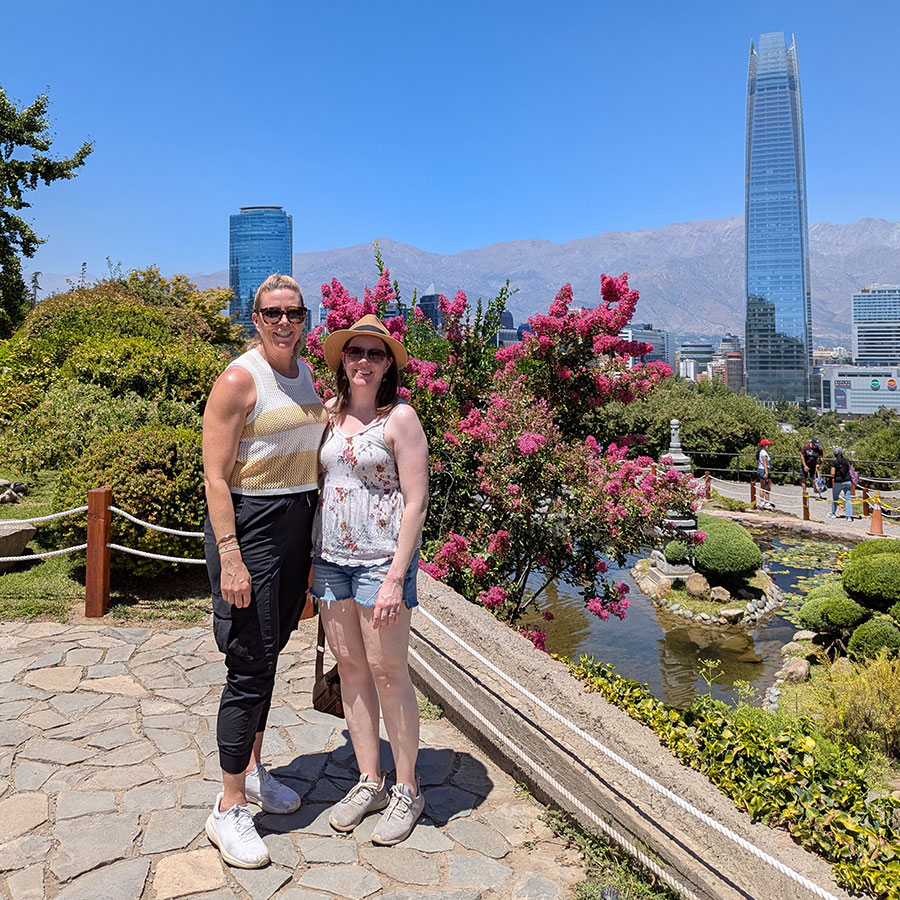
Since 2024, Erin Dej and Carrie Sanders have been screening their documentary Bridging Divides: Voices and Visions About Homelessness in Midsize Cities across Ontario, sparking conversations about solutions to homelessness. They welcomed a global audience into the conversation at The International Journal on Homelessness Conference in Santiago, Chile in January 2025. Dej and Sanders showed the film to colleagues from nearly 30 countries, including Australia, Spain, Taiwan and Uganda.
“We were able to spend lots of time having the difficult, muddy conversations about structural challenges to addressing homelessness, global and local trends, and what we can do as researchers to help move the dial toward preventing and ending homelessness,” says Dej.
Hearing perspectives from around the globe has “reshaped” Sanders and Dej’s research and is directly informing their teaching at Laurier.
“I am able to share new ideas with my students, like the innovative ways not-for-profits are working with local businesses to address homelessness in South Africa,” says Dej. “These new perspectives on shared problems also reinforced how important local context is to solutions, and we hope the documentary will inspire communities to carry out collective dialogues of their own.”
Jason Neelis
Associate Professor, Religion and Culture
Ali Hassan Zaidi
Associate Professor, Global Studies, Religion and Culture
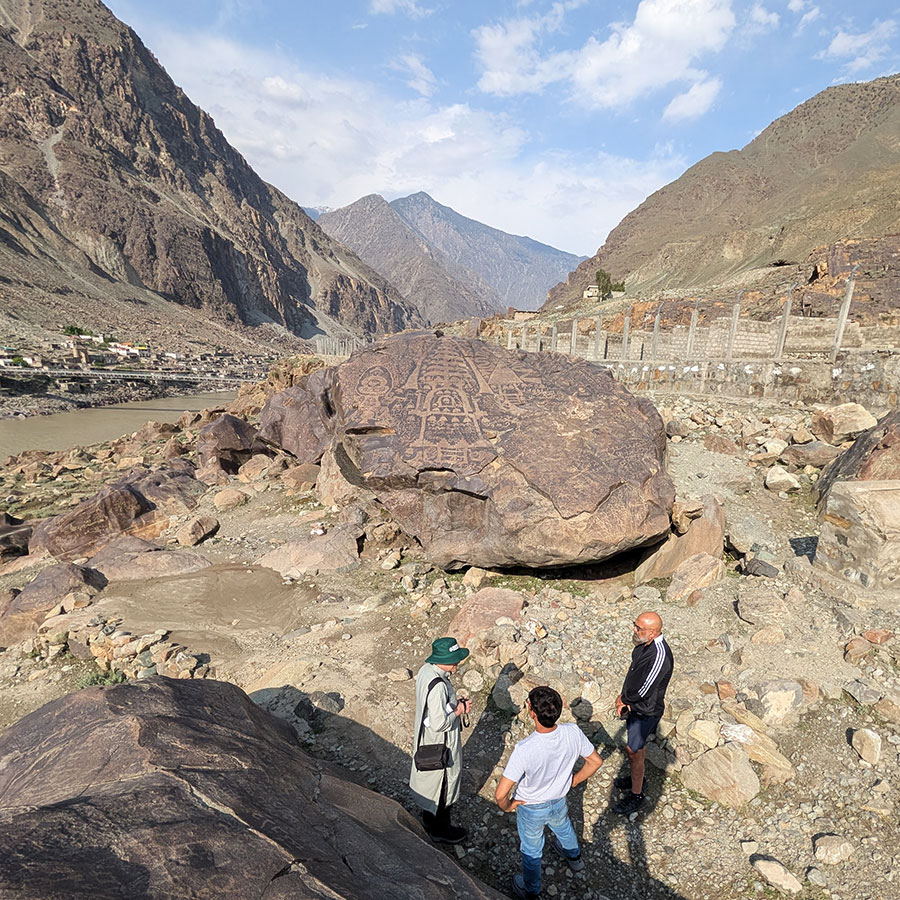
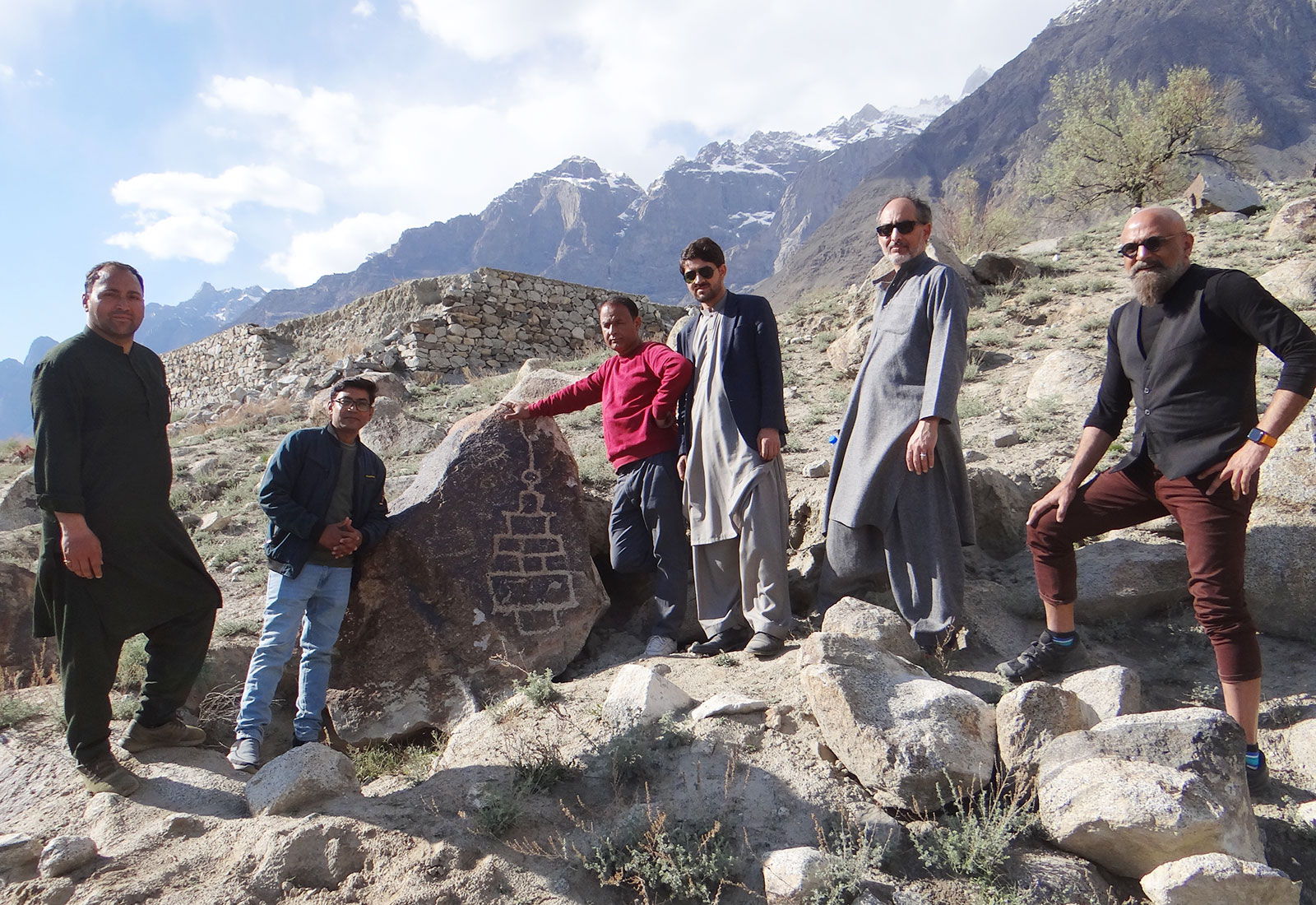
The legendary silk road is a network of trade routes stretching from East China to Europe and Africa, used by traders from the second century BCE until the 15th century CE. Travellers often left their marks in the form of graffiti on stone surfaces along the route. Construction of a dam in Pakistan is threatening some of these petroglyphs, and Jason Neelis and Ali Zaidi are working to document them online while there is still time.
Listen to Neelis and Zaidi discuss their fieldwork in northern Pakistan on a recent episode of CBC’s Quirks and Quarks. (interview begins at 21:00)
Stephanie DeWitte-Orr
Professor, Health Sciences, Biology
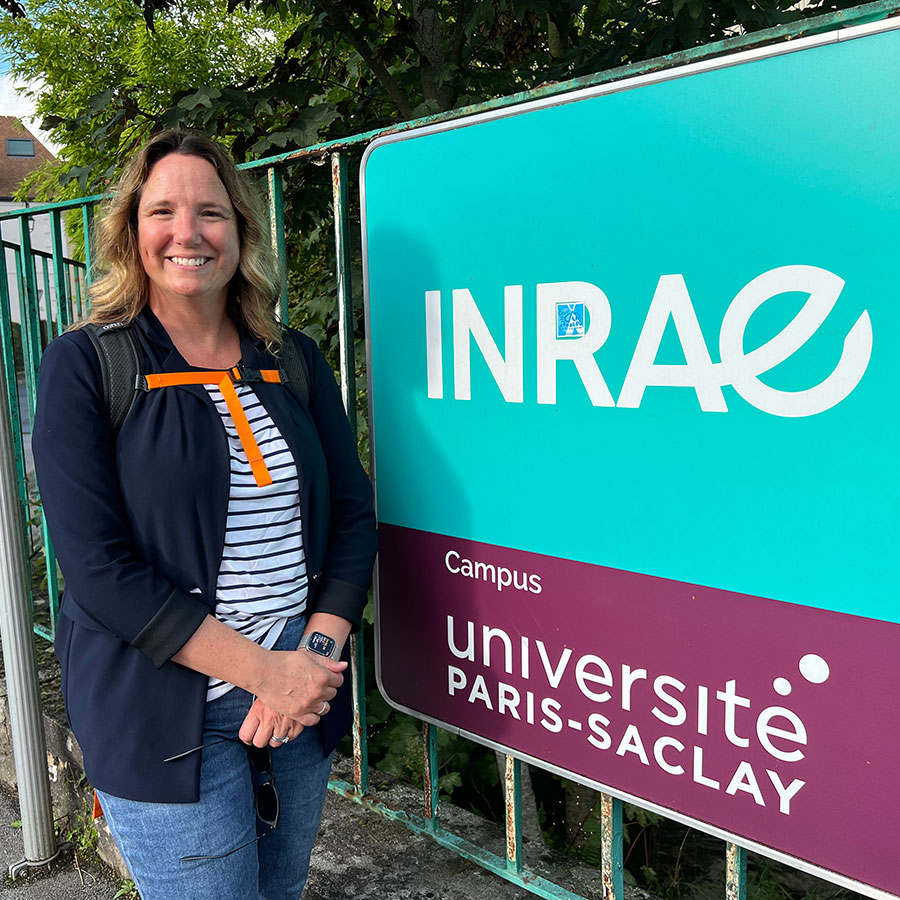
Over the span of five weeks, Stephanie DeWitte-Orr had the opportunity to work with scientists at France’s National Research Institute for Agriculture, Food and Environment (INRAE) in Jouy-en-Josas. She said the collaboration opened “exciting, new possibilities for our work at Laurier.”
DeWitte-Orr’s lab studies how long double-stranded RNA – a universal marker of viral infection – shapes innate immune defenses. By translating these discoveries, she hopes to develop practical antiviral solutions that support animal health in agriculture and aquaculture, and ultimately contribute to better outcomes in human medicine.
At INRAE, DeWitte-Orr’s goal was to learn CRISPR-Cas9 gene editing in cell culture systems.
“This transformative technology allows us to precisely remove or add genes directly within a cell’s genome, giving us powerful insight into how specific genes contribute to complex cellular processes such as antiviral immunity,” she says. “We are now applying gene-editing approaches to investigate key components of the RNA interference pathway and define their role in antiviral responses.
“These results will inform the design of stronger, more targeted antiviral strategies, and the skills I’ve gained will directly enrich the hands-on training I provide to my students.”
Research aside, DeWitte-Orr was enchanted by the “incredible” food in France.
“There were five bakeries within a five-minute walk of our apartment,” she says. “Bringing home a fresh baguette after a day in the lab felt quintessentially French.”

Cynthia Johnston Turner
Dean, Faculty of Music
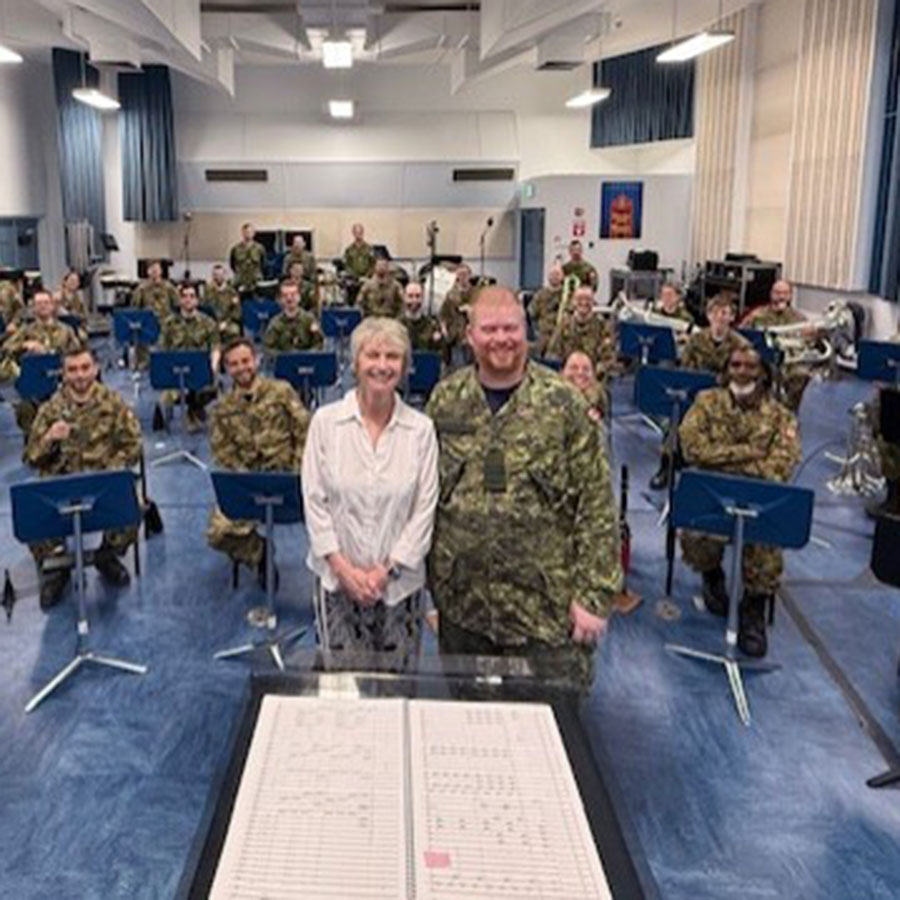
Cynthia Johnston Turner had a busy year of guest conducting and teaching, performing with the United States Army Band "Pershing's Own" and wind ensembles at the University of Southern California (Thornton School) and the University of Wisconsin-Eau Claire; the Central Band of the Canadian Armed Forces in Ottawa; and the All-International School Wind Band in Shanghai, China. She also recorded the album An Evening with Michael Barry with professional studio musicians at Budapest Scoring in Hungary.
“International travel and creative scholarship are an investment in Laurier’s domestic appeal, international reputation and future-readiness,” says Johnston Turner. “For Ontario universities competing on both a national and global stage, this kind of outreach is not only relevant – it’s essential.”
Robert Ame
Associate Professor, Human Rights and Criminology
Kathy Hogarth
Associate Vice-President: Global Strategy
Stacey Wilson-Forsberg
Professor, Human Rights
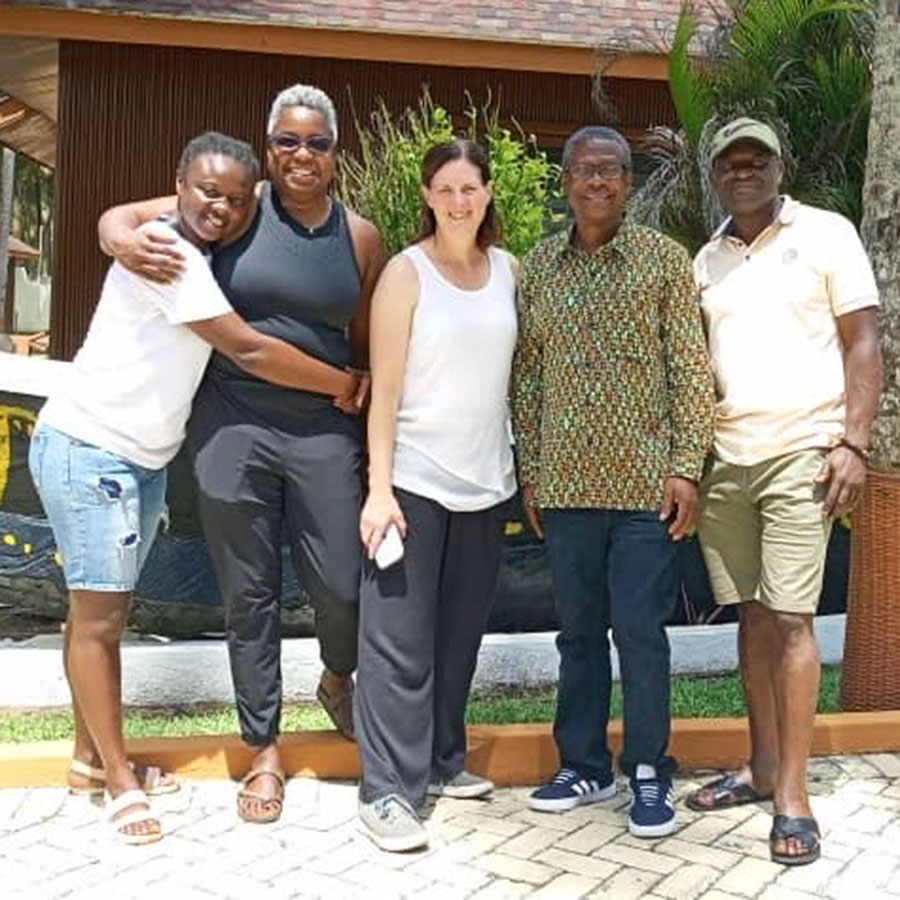
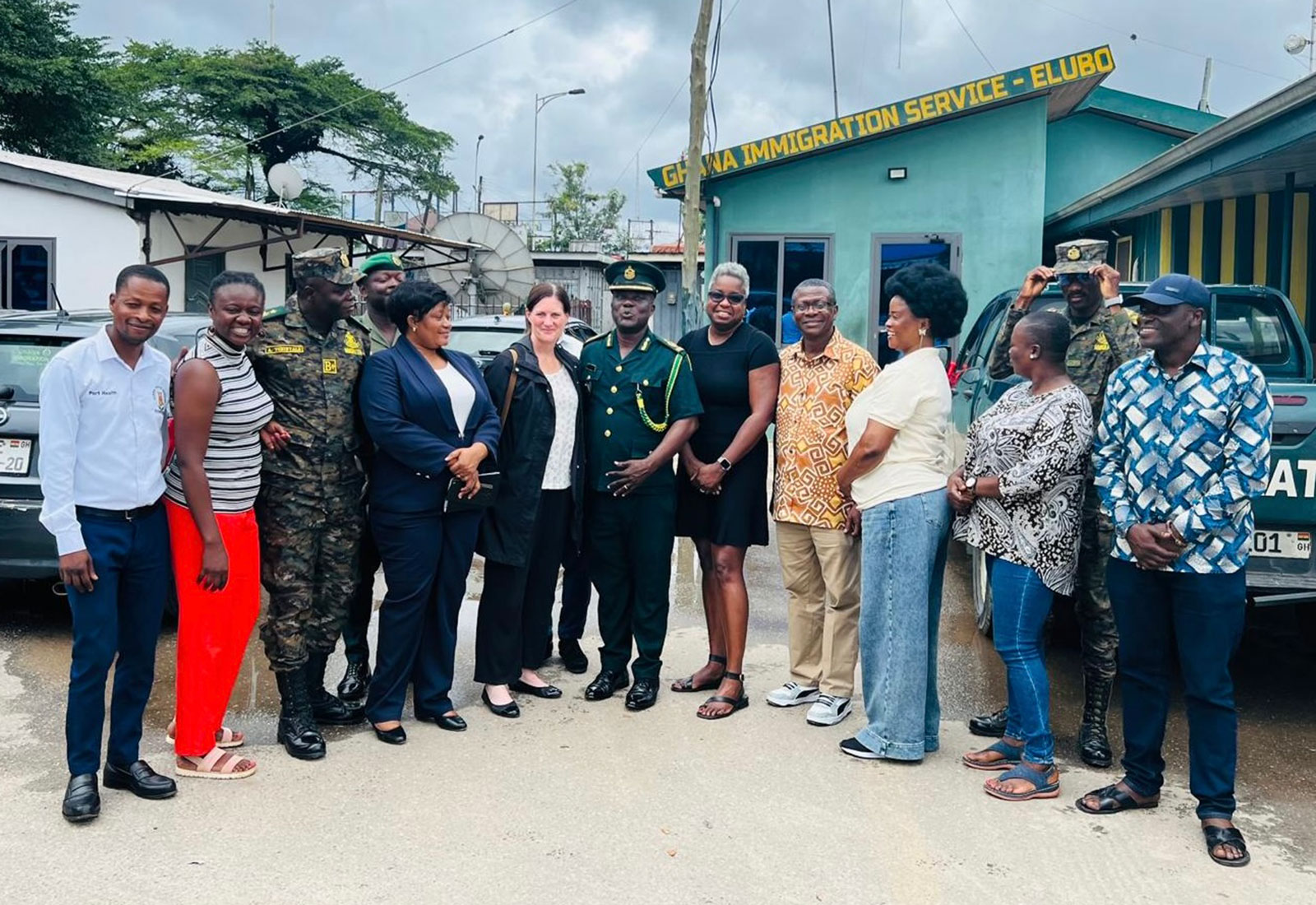
Robert Ame, Kathy Hogarth and Stacey Wilson-Forsberg travelled to Ghana to study human trafficking in the town of Elubo, which borders on Côte d’Ivoire (Ivory Coast). They were hosted by the Research and Counselling Foundation for African Migrants (RECFAM), an NGO that intercepts people who are being trafficked and attempts to integrate them back into their communities. Most people being trafficked are women and children.
The Laurier team met with border and immigration officials to learn about the infrastructure in place to intervene in human trafficking cases.
“I was surprised how forthcoming the government officials were with their data,” says Wilson-Forsberg. “There is a clear service gap that needs to be filled. For example, there are no social workers at the border facilities. When children are intercepted, they often stay at the border offices for several days and the personnel feed them from their own pockets. They have asked us, as researchers, to disseminate this information to assist in getting more government funding.”
Ame was deeply moved to meet a survivor who had been trafficked from Nigeria. Hearing her story put a human face to the victims he had read about.
“It was no longer some obscure person recruited from a poor, remote region in a distant country,” says Ame. “There she was, a real human being sitting at the table with us, telling us how she was recruited from a village in Nigeria and transported across Benin and Togo until she was rescued in transit in Elubo.”
Ame was surprised to learn that the survivor didn’t want to be returned to her parents, nor did her parents want her to come home to their village.
“The parents were given some money by the trafficking recruiters and they wanted their daughter to work to pay off the debt,” says Ame. “Thus, returning home was not an option that either the victim or her parents were willing to accept. This story confirms that poverty is at the root of human trafficking and all modern forms of slavery. Why is Africa, with all its resources, still so poor that its youth want to migrate to other parts of the world regardless of the risks involved?”
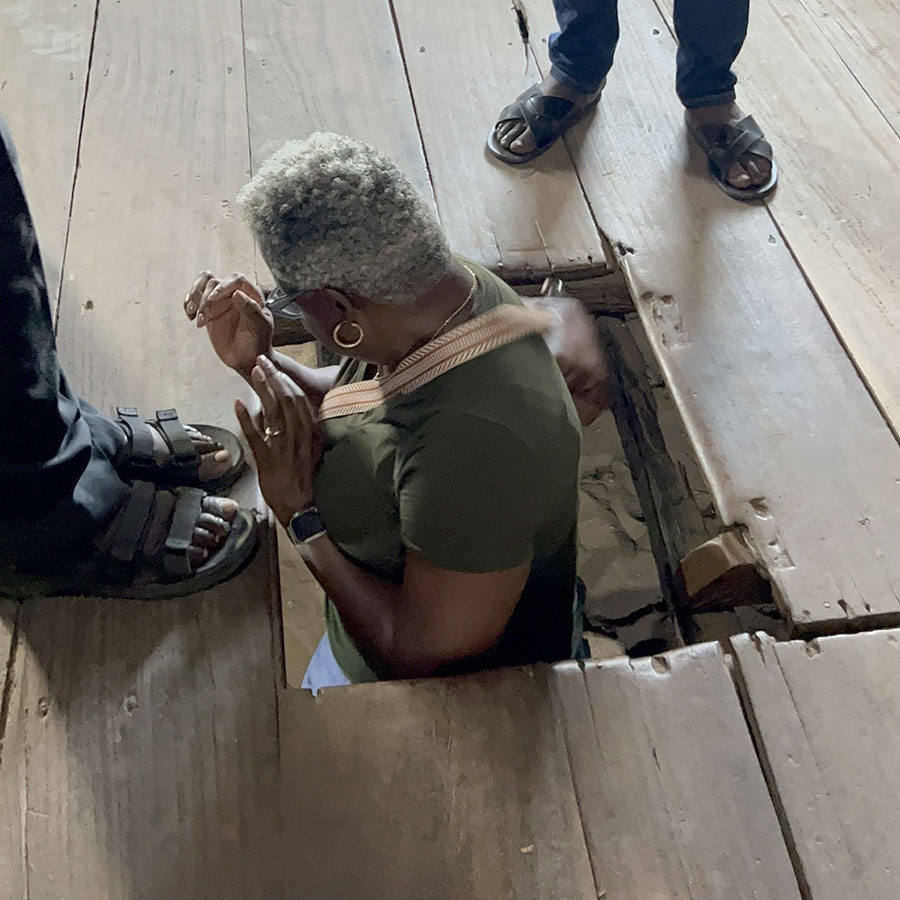
After the team’s time in Ghana, Hogarth travelled to Togo and Benin to visit slave castles and ports. Her research examines the historical movement of people from the African continent through slavery, a lens that influences modern solutions to human trafficking.
“I hope to elevate the humanity of those who are trafficked,” says Hogarth. “I learned of a concept while on this trip called ‘amewuga,’ which means that human lives are worth more than money. When we learn to truly understand that concept and don’t see each other as tools for exploitation, then maybe we will eradicate the blight of human trafficking.”